We own and develop companies that do more with less — food, energy and protein from streams that others call waste.
A business development company from Höga kusten. We get involved early, take operational responsibility and build operations that hold up both technically and financially — not just in the pitch.
Holdings and involvement
A cycle, built one company at a time
Each operation takes care of the step before it leaves off. The order below is not a timeline — it's the path of nutrients through the system.
Water and energy
BigAkwa
Land-based fish farming in industrial symbiosis — founder, ongoing
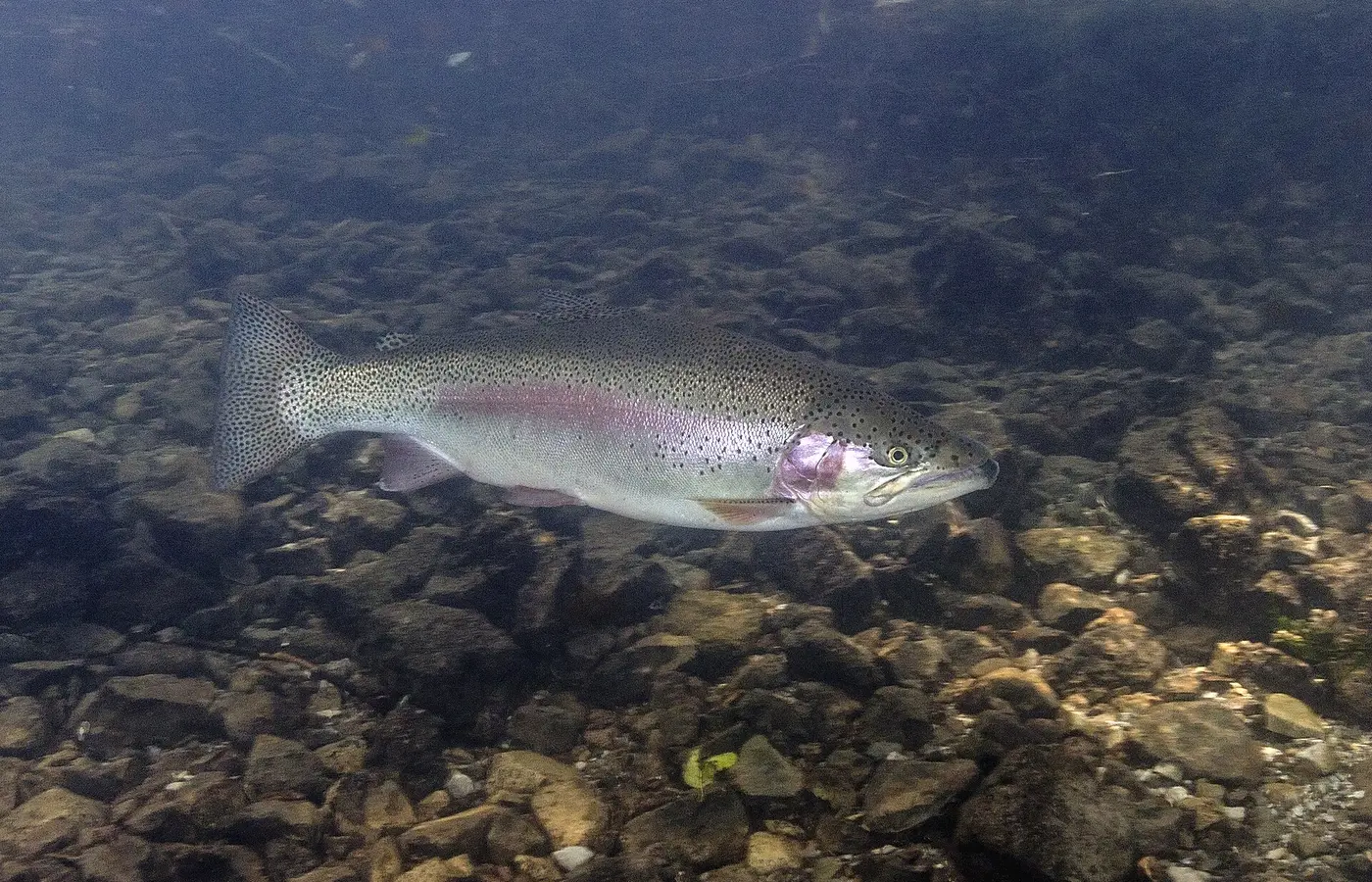
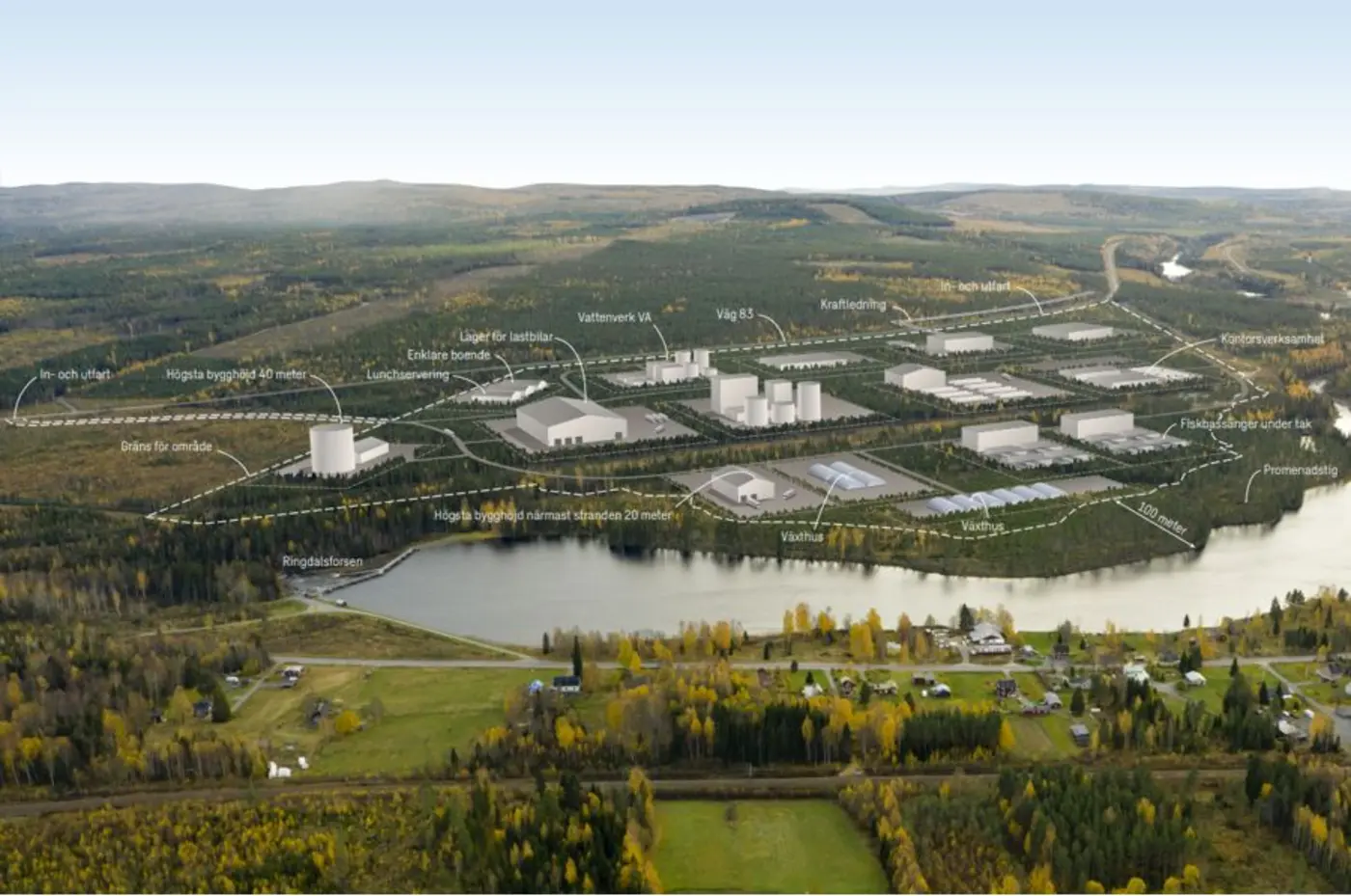
A RAS facility for 6,000 tonnes of rainbow trout a year in Alby, Ånge — located next to a green hydrogen park where waste heat and oxygen are already available. That corresponds to roughly a fifth of what Sweden eats, grown on Swedish soil. Construction is planned to start in 2027.
Rainbow trout (Oncorhynchus mykiss). Foto: Wikimedia Commons, CC BY-SA 4.0
Nutrients and carbon dioxide
Algkraft
Microalgae for the Nordic climate
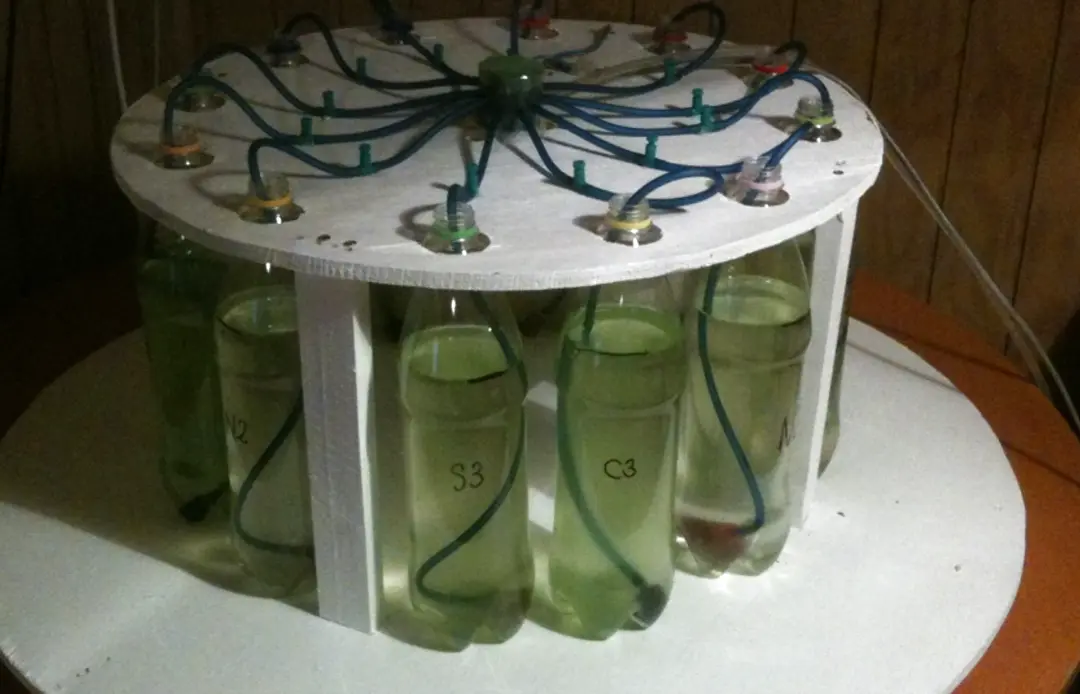
Algae capture nitrogen, phosphorus and carbon dioxide and turn it into biomass — the treatment step becomes a raw material. The cultivation system was developed over four years for Nordic light and Nordic cold, among other things within the EU project TransAlgae together with Mid Sweden University.
Nattviken's own prototype for algae cultivation — parallel cultivation vessels in cascade, ca. 2014. Foto: Algkraft
Fish and plant
Agtira
Aquaponics at industrial scale — co-founder 2015–2020
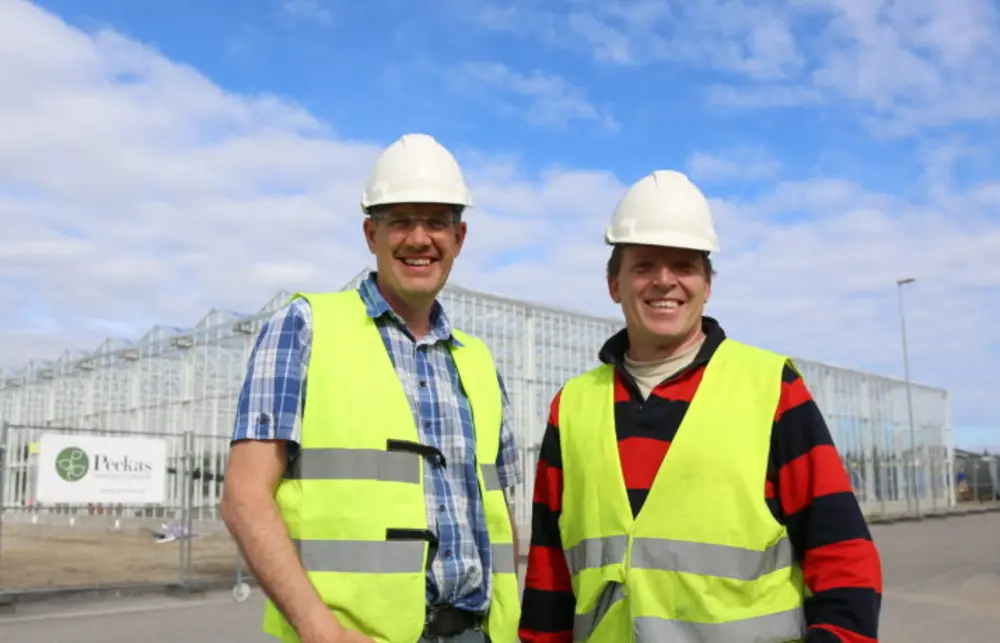
Rainbow trout and vegetables in the same water system, grown at the store instead of shipped there. The fish's nutrients become the plant's fertilizer. Hugo Wikström was co-founder in 2015 and left the board in 2020; the company is today called Agtira and is listed on Nasdaq First North.
Peckas Naturodlingar's greenhouse in Härnösand under construction, 2017. Foto: Peckas Naturodlingar
Next step
Single-cell protein
Under development
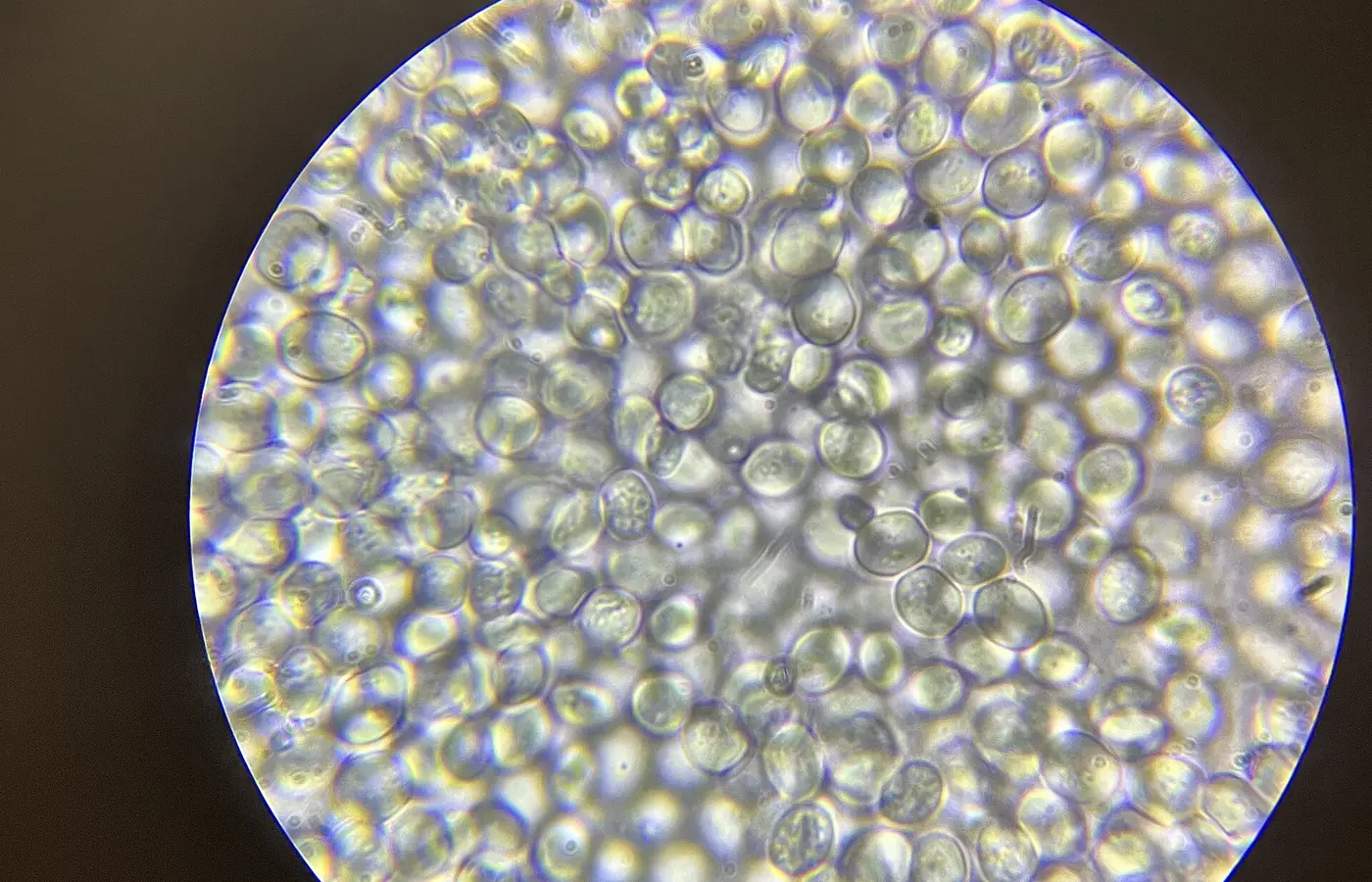
Microorganisms that turn residual streams into feed and food. Here the circle closes: feed no longer needs to come from the other side of the globe. Sawdust, bran and process water are raw materials already available in Norrland — what's missing are the facilities.
Yeast cells under microscope. Foto: Wikimedia Commons, CC BY-SA 4.0
How we work
Owner, not spectator
We get involved where it's difficult — early-stage technology, heavy processes, long lead times — and stay until the operation stands on its own.
Own and build
We come in as owners with our own capital and our own time. Board work, financing and recruitment are part of the work, not the invoice.
Develop operations
From process idea to running facility: technology choices, calculations, permits and the daily operations that determine whether it holds up.
Advisory
Assignments for companies and public actors within aquaculture, biotechnology and resource-efficient industry.
Behind the company
”Most of what we produce can be done better, with less energy and less waste. That's the challenge I want to keep working on.”
Hugo Wikström — founder
I have built aquaculture and biotechnology in practice. I co-founded Peckas Naturodlingar in 2015 — today Agtira — developed algae cultivation systems for the Nordic climate at Algkraft, and since 2021 have run BigAkwa, which is building land-based fish farming in industrial symbiosis.
What they have in common is that they take a resource that would otherwise be lost — waste heat, nutrients, carbon dioxide — and turn it into food. Nattviken Invest is the platform for continuing to do that, as owner, builder and co-founder.
Right now my greatest interest lies in single-cell protein, where I see an opportunity to solve the feed question in a way that actually adds up, both environmentally and economically. I'm drawn to problems that are too slow and too physical to become quick deals. That's often where the real efficiency gains are found.
BigAkwa's planned facility in Alby, Ånge. Illustration: BIG AKWA AB
Contact
Do you have an operation or an idea that belongs in the cycle?